Hoarding house
clearance in Bristol
When belongings fill a home, asking for help can be the hardest part. Tell us what you would like to change, what has to stay and what feels hardest to manage. You do not need to tidy before you get in touch.
A short message is enough: the postcode and which room you would like to start with.

One room counts as a job
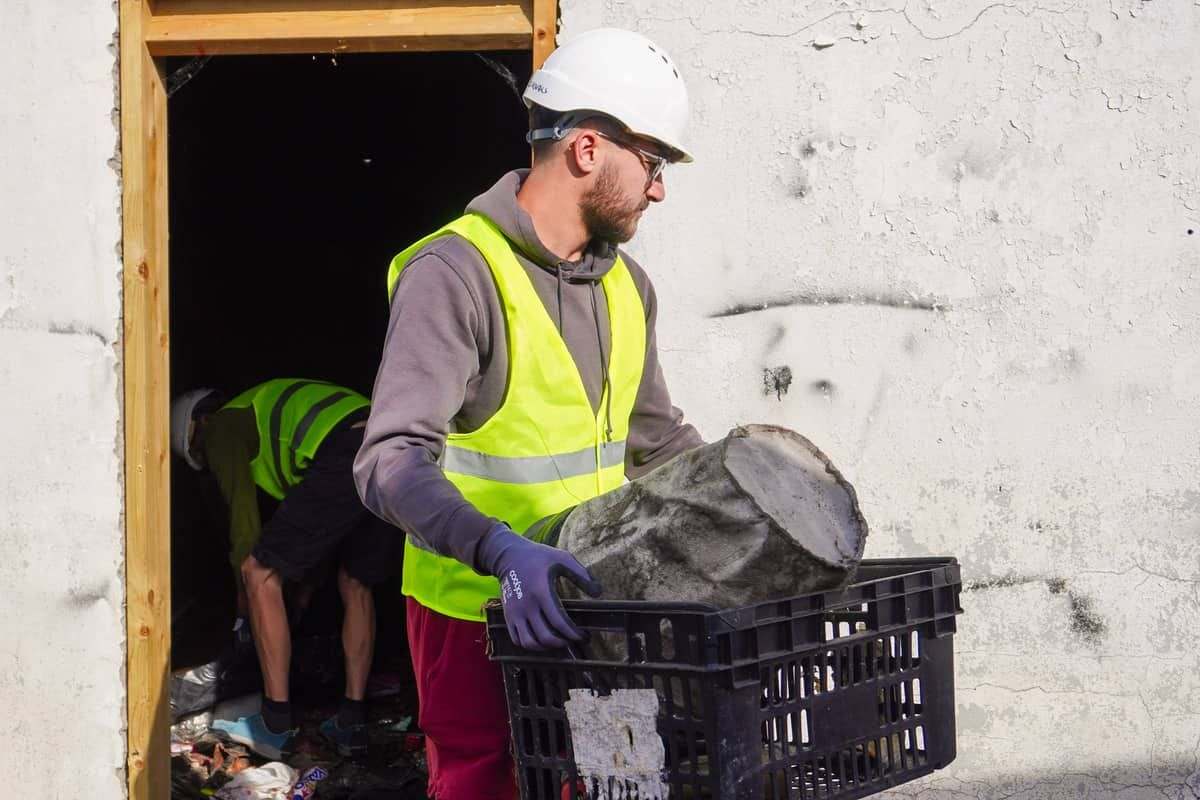
The goal might be a whole property before a handover. Or it might be reaching the bed again, using the kitchen, or letting a plumber get to a leak. Say which room and what you need it for. Partial clearances, repeat visits and work done in stages are normal here, not a favour.
No tidying before we arrive
Nobody needs to make a cluttered home presentable for the people coming to clear it, and we do not arrive in signwritten vehicles announcing what we are doing.
If privacy is a particular worry, describe the street and the access when you get in touch and we will talk through what is possible. Nothing outdoors is ever completely invisible, and we will not pretend otherwise.
Sorting, clearing and cleaning are different jobs
Clutter that has built up over years does not come out in one heroic afternoon. Say which of these you want, so the quote covers exactly that.
- Sorting
- Deciding what stays, what goes and what waits. It takes the longest, and it is never assumed to be included.
- Clearing
- Carrying the agreed items out. This is the only one of the three priced by the van load.
- Cleaning
- What becomes possible once the floor exists again. Agreed separately, or arranged with a specialist.
Where a room has been unreachable for a long time, tell us what you know about pests, damp, animal waste, needles or chemicals. Some of that changes what is suitable for us and what needs a specialist. Do not move anything unsafe just to describe it better.
How we plan a hoarding clearance
Say what would make the biggest difference
One room, one floor, a whole property, or simply getting to something that needs repairing.
Separate the three jobs
We agree which of sorting, clearing and cleaning you want before anyone quotes a figure.
Mark what must not go
Essentials, paperwork, keepsakes, other people’s things and anything undecided.
Agree the pace
How involved you want to be, who will be there, and what happens if you need to stop for a while.
What has to stay matters as much as what goes
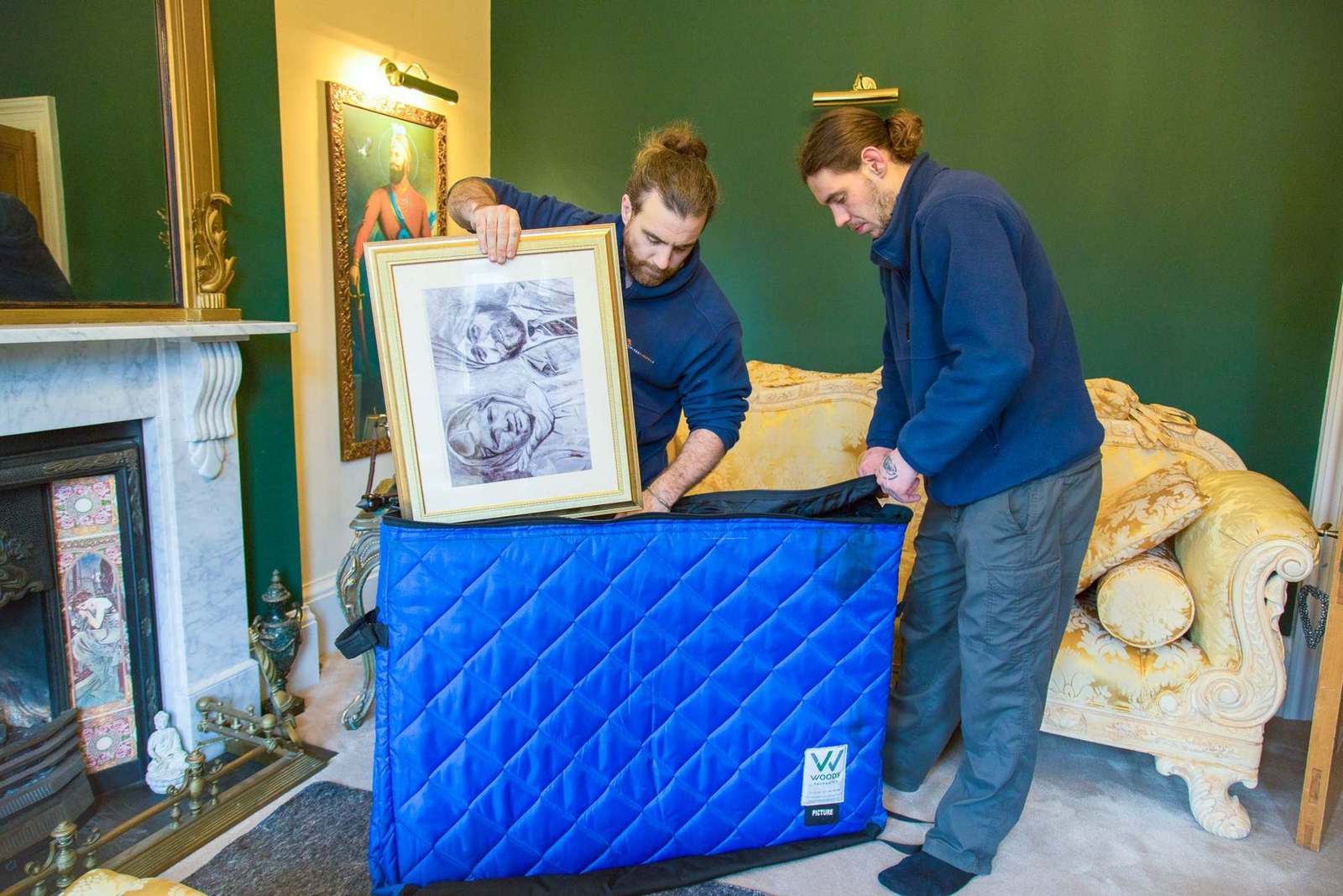
Before anything is booked, identify what must remain: everyday essentials, documents, keepsakes, items belonging to someone else, and anything you have not decided about. A short written list is worth an hour of conversation.
Agree in advance what happens when papers, cash or jewellery turn up somewhere nobody expected, because they do. Clear instructions mean nobody has to guess on your behalf.
Worth reading first
NHS guidance on hoarding disorder and, if you are helping someone else, Mind’s advice on helping someone who hoards. Neither is about clearances, which is rather the point.
What a hoarding clearance costs
The clearing is priced by the van load. Sorting and cleaning, if you want them, are agreed separately.
Minimum load
A small, focused job: one corner or a few heavy items
£50
Quarter van load
A single room, once the decisions have been made
£120
Half van load
One or two rooms, or a landing and a hallway cleared
£200
Three-quarter van load
Most of a flat, or several rooms of a house
£320
Full van load
A property cleared throughout
£400
More than one van load
Heavily filled homes are quoted after a visit, not from a guess
Firm quote
Guide prices carry a 15% range either way until we have seen the contents.
Questions people ask us first
I am embarrassed about the state of the house. What do I even say?
Something as short as: “I need help clearing a room, and I am worried about letting someone in.” Add the postcode and a rough description. You do not owe us an explanation of how it got this way, and you will not get a lecture.
Do I have to decide about everything before I contact you?
No. Get in touch while decisions are still open. Tell us whether you need help sorting or only need things removed that you have already chosen, so the time that takes is in the quote rather than a surprise on the day.
What if I get upset or need to stop?
Say so before booking, so the pace, your involvement and how breaks are handled are agreed in advance. A pause is not a problem. An unplanned one that runs into someone else’s job is, which is why it is worth raising early.
Will you take photographs inside the house?
Ask about this before agreeing to a visit: why any photograph is needed, who sees it and how long it is kept. Photographs taken to quote a job and photographs used in advertising are different things, and you are entitled to say no to the second.
Is a clearance treatment for hoarding disorder?
No. A clearance deals with physical contents and nothing else. If letting go of belongings is affecting everyday life, the NHS advises speaking to a GP. Practical help at home can be one part of wider support, but it is not a substitute for it.
I am trying to help a parent who does not want the help. What now?
Start with what they would like changed, and do not plan a clear-out while they are out. Mind explains why removing belongings against someone’s wishes causes distress and rarely fixes anything. Tell us who lives there and who is giving the instructions, and if that is disputed, resolve it before anything is booked.


One message is enough to start
The postcode, the room you would like to begin with, and whether you want to be there. Nothing else is needed yet.
