Downsizing house
clearance in Bristol
Moving somewhere smaller means deciding what comes with you, what goes to family, and what to do with everything else. Tell us what will be staying, what needs to leave and when the property has to be ready — you can enquire while the plans are still taking shape.
Free, no obligation • You can get in touch before you have everything worked out
Start with what is coming with you
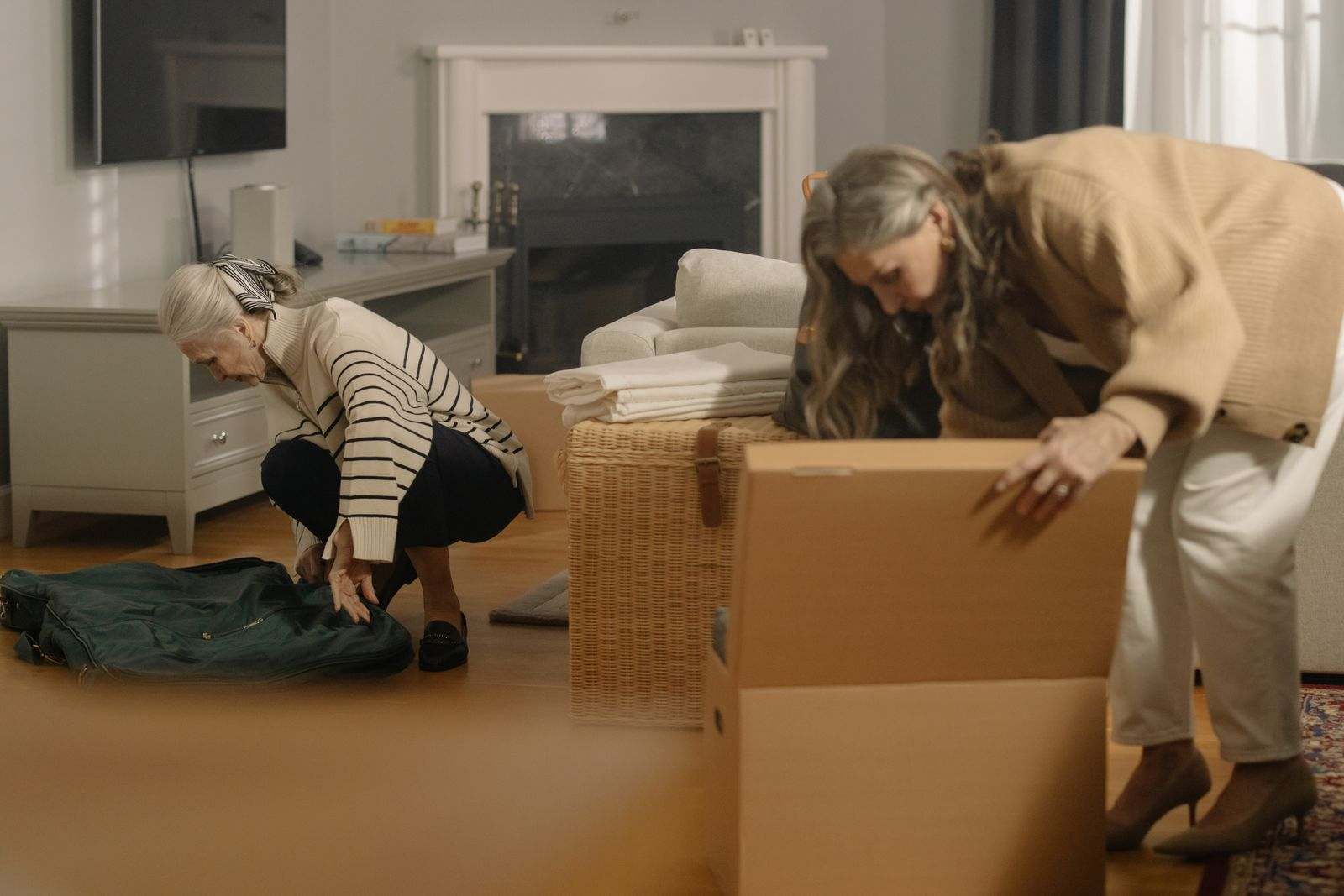
The keep list comes first, and it is rarely the obvious things: a particular chair, the everyday kitchen items, the photographs, whatever the hobby is. Measure the new rooms before deciding on the big furniture, and if it is a care home, ask them which furniture, electrical items and belongings are allowed before anything is promised to anyone.

Somewhere to put the undecided things
Some belongings are not a yes and not a no. We have our own storage for exactly that, so an unresolved decision does not have to be forced to fit a handover date. What goes in, for how long and at what cost is agreed in advance, in writing, like everything else.
How a downsizing clearance comes together
Downsizing is rarely one decision. It is several hundred small ones, made in a house that has been accumulating since the 1980s, usually while something else is going on.
Write down the five lists
Coming with you; going to named relatives; staying at the property; no longer needed; still undecided. The last two are the ones that cause arguments, so they get names and dates against them.
Tell us the dates
The moving date and the handover date are often different. So is clearing before a move and clearing after one. Each version needs its own plan, and the difference is not a detail.
Describe the property and the access
Rooms and outbuildings, what is staying until the last day — the bed, the kettle, anything needed for care — plus stairs, lifts, parking and any building access rules.
Clear what is left
We take the agreed items and leave the rest where you said. If relatives are collecting something, that collection happens before our day, not during it.
Moving into a care home
Start with what is needed in the new room, and only then turn to the house. If the stay might be temporary, or a return home is still being discussed, settle that before arranging a full clearance — say so when you enquire and we will plan around the uncertainty rather than ignore it.
Keep clothing, personal papers, glasses, hearing aids and medicines well away from anything being cleared. Equipment supplied on loan — hospital beds, hoists, mobility aids — needs identifying too, so it goes back to whoever provided it rather than into a van.
Helping a parent or another relative
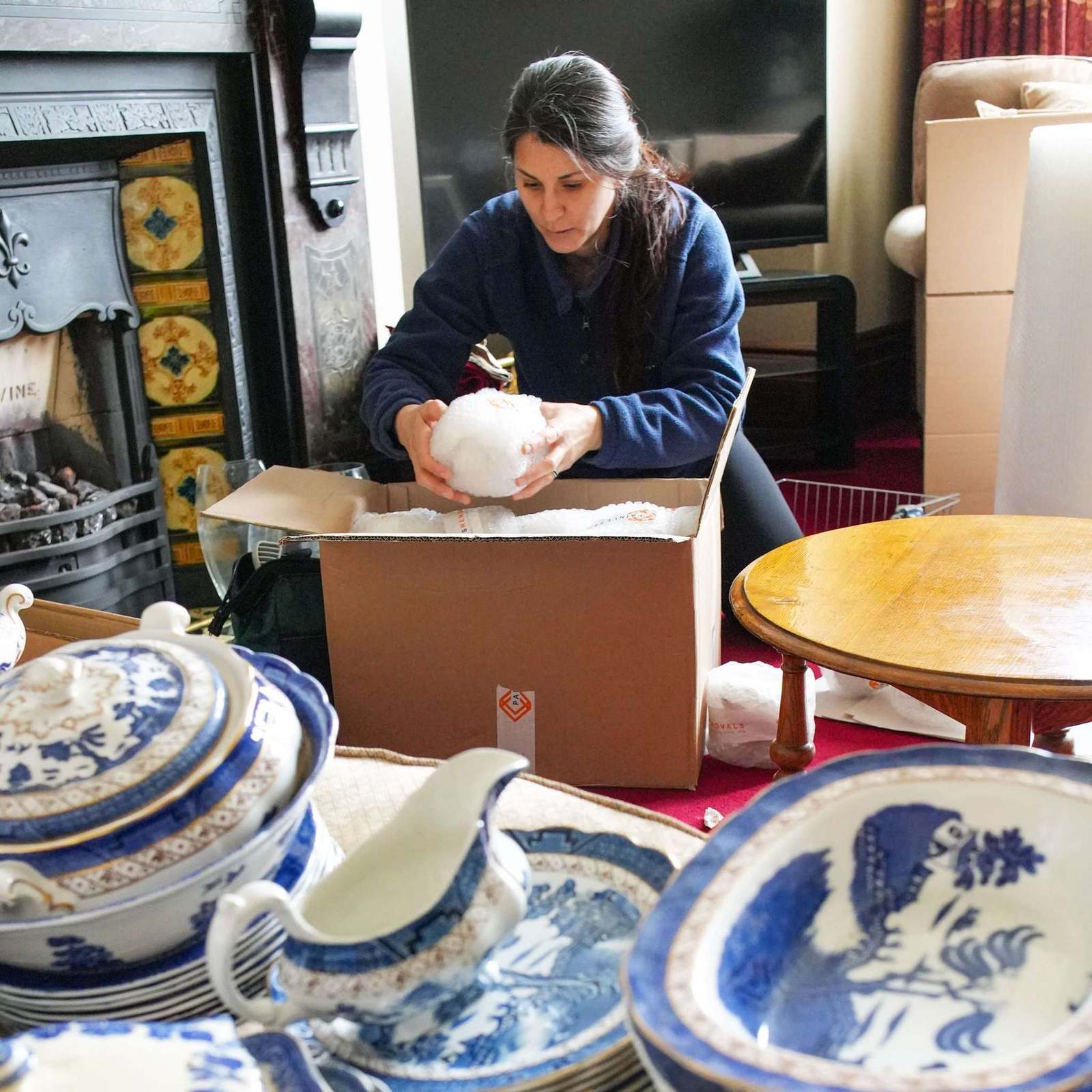
Begin with what the person moving wants to keep, even when nobody else would have chosen it. Then agree who handles the arrangements and who can give instructions about the contents.
If several relatives want items, write down what has been agreed and get them collected before the clearance day. Avoid leaving anything marked only as "someone might want this" — put a name and a date against it, or keep it out of the clearance until somebody decides. If you are acting under a power of attorney, check it actually covers these decisions; GOV.UK explains an attorney's duties for property and financial affairs, and sets out separately how decision-making capacity is assessed — a diagnosis on its own does not answer it.
What a downsizing clearance costs
Minimum load
A few bags, or one large single item
£50
Quarter van load
A small room, or a garden tidy
£120
Half van load
One or two rooms, or a large garden
£200
Three-quarter van load
Several rooms, or a small office
£320
Full van load
A whole property, or a large job
£400
More than one van load
Quoted properly once we have seen it
Firm quote
Guide prices carry a 15% range either way until we have seen the contents.
Questions before arranging a clearance
Do I have to empty the whole house?
No. Ask about the rooms or the items you actually want cleared, and tell us what has to remain — especially if you are still living there. A partial clearance needs a clearly agreed scope, otherwise 'clear the back bedroom' turns into a disagreement on the day.
Can I ask for help before I have finished sorting?
Yes. Tell us what you have decided and where you are stuck. Sorting belongings and removing chosen items are different jobs, so any sorting help and the time it needs has to be agreed before booking rather than absorbed on the day.
What if I cannot lift or carry things?
Then do not. Tell us where the items are and leave them there — nobody should be dragging a wardrobe across a landing to make a quote easier. Describe the access instead, and we will plan the lifting, dismantling and carrying into the job.
Will you move my furniture to the new home?
No — this is a clearance of what you are leaving behind, and transport for the things you are keeping is a separate arrangement with a remover. Keeping the two lists apart is the single most useful thing you can do for both jobs.
What if my parent has dementia?
A diagnosis does not mean someone cannot make a particular decision; capacity depends on the decision and the moment. If you are unsure who can authorise a clearance, take advice before booking. The GOV.UK guidance on assessing mental capacity, linked further up this page, is the place to start.
What if the moving date changes?
Tell us as soon as you know. Dates move constantly in this work and it is not a crisis; what matters is that a revised date is confirmed rather than assumed. Check the terms for changing or cancelling before you book anything around it.


Start with the moving date
Tell us when the move is and what is staying behind. We plan the clearance around it.
