Garage, loft and shed
clearance in Bristol
Lofts, cellars, garages and sheds are where things go when nobody wants to decide about them. Tell us which space, roughly what is in it and how you get into it — the carrying is usually a bigger part of the job than the contents.
Free, no obligation • You can get in touch before you have everything worked out

Getting it out is the work
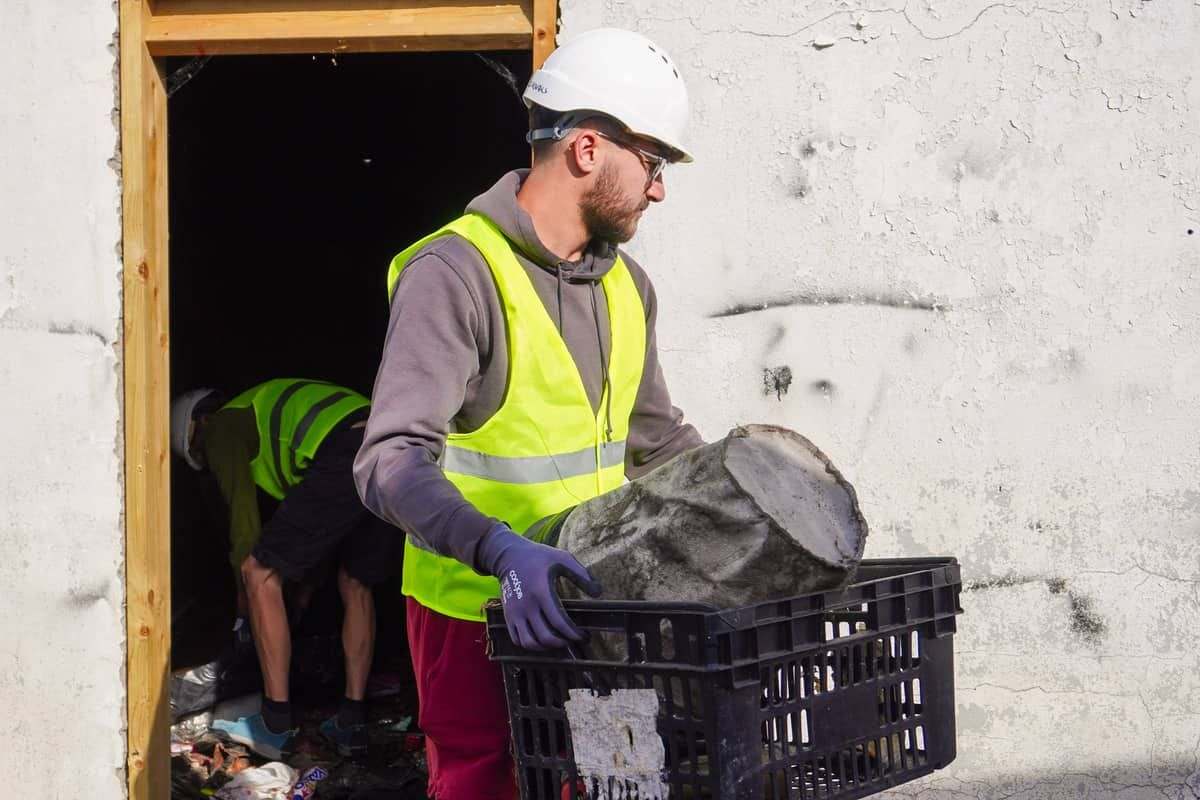
A loft hatch above a narrow landing, a cellar stair with a right-angle turn at the bottom, a garage stacked to the door so you cannot reach the back — these are what decide how long a job takes, far more than the volume does. Describe the access honestly and the estimate holds up.
Paint, oil and gas bottles need saying out loud
Old paint tins, white spirit, engine oil, weedkiller, aerosols and gas canisters turn up in nearly every garage, and none of them can travel as general waste. It is not a problem when we know beforehand; it is a problem when the van is already loaded. Mention them at the enquiry.
How a garage, loft or shed clearance works
Most of what is in a Bristol loft or cellar went up or down there during a move, and has not been looked at since. That is not a moral failing; it is what those spaces are for. It just means nobody quite knows what is in them.
Describe the space and the way in
Which space, roughly how full, and what stands between it and the road: a pull-down ladder, stairs, a side return, a shared drive, a permit bay.
Flag anything that is not ordinary waste
Chemicals, fuel, gas bottles, fridges and freezers, and anything you suspect might contain asbestos. See the note below before you move it.
Decide what stays
Tools, bikes, the Christmas boxes, whatever is going to a relative. Anything undecided gets marked and stays where it is.
Clear and sweep
We carry it down or out, protect the route on the way, and leave the space swept — empty enough for a conversion contractor if that is why you are clearing it.
Bristol lofts, cellars and the stairs between them
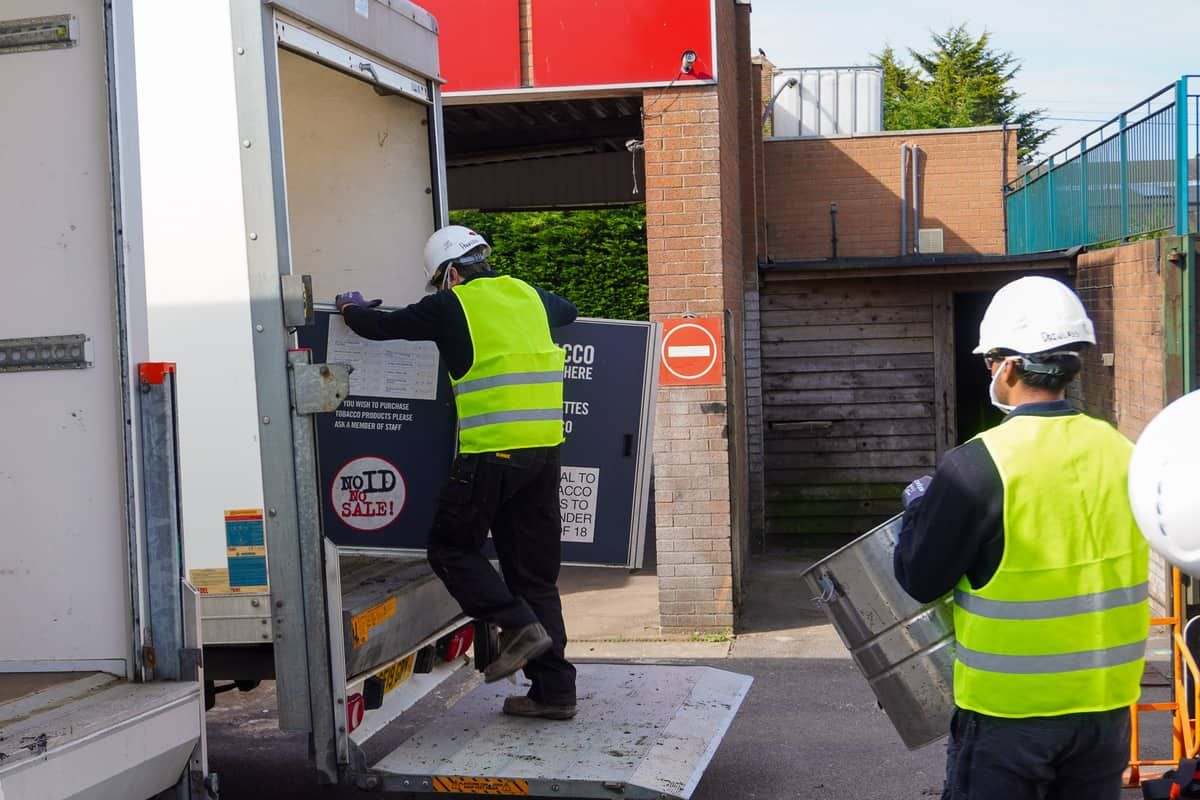
The city's Victorian and Edwardian terraces — Bishopston, Totterdown, Redland, Bedminster — come with cellars almost as standard, and most of them still hold the coal dust, the shelving and the decades of storage that followed. The stairs down are steep, narrow and often turn at the bottom, so large items come apart before they come up.
Lofts have the opposite problem: a small hatch, a ladder that was never meant for carrying a sofa bed, and boarding that may or may not be safe to stand on. We bring our own access equipment and protect the landing, because the damage in this kind of job usually happens on the route, not in the loft.
What cannot simply go in the van
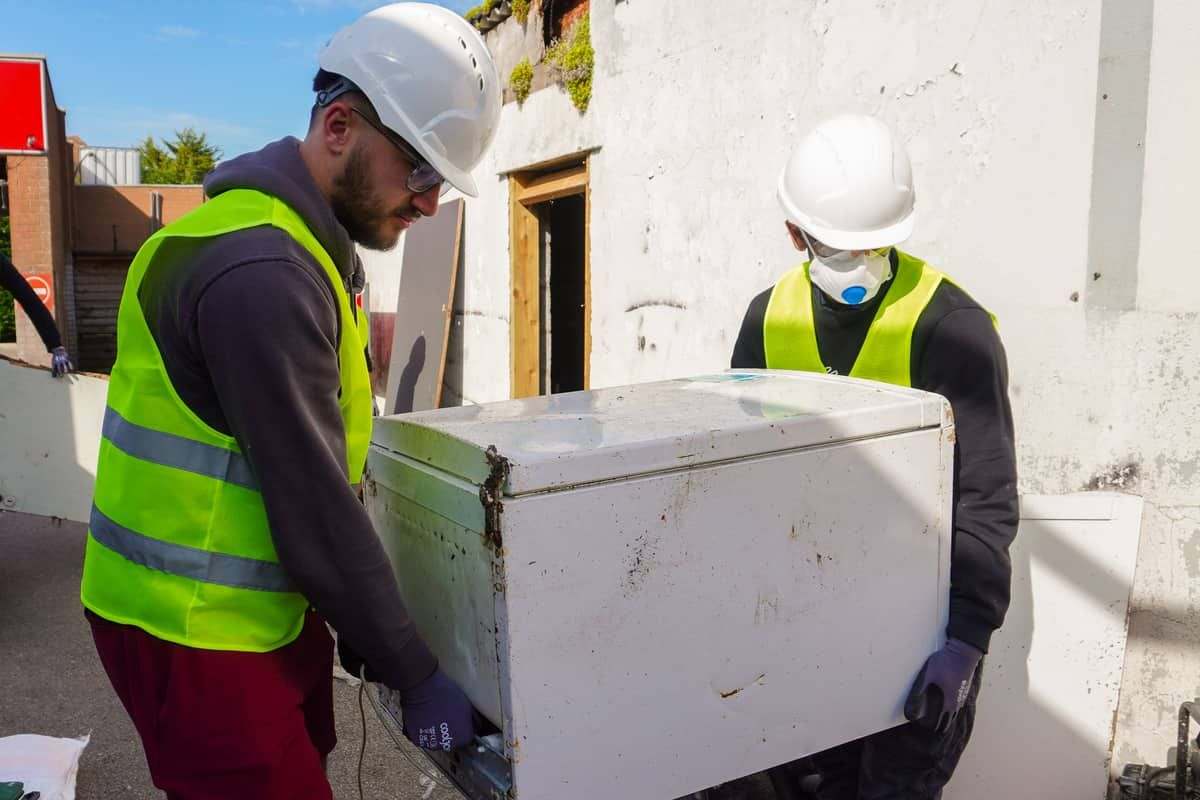
Fridges and freezers, televisions and anything else electrical fall under the electrical waste rules and are kept separate. Paint, fuel, solvents, weedkiller and gas bottles are hazardous waste and are handled as such.
If you suspect asbestos — and garages, old pipework and sheeting are where it turns up — leave it exactly where it is and tell us. The HSE's asbestos guidance sets out what may be handled and by whom. Working around it safely is straightforward. Discovering it in the back of a van is not.
What a garage, loft or shed clearance costs
Minimum load
A few bags, or one large single item
£50
Quarter van load
A small room, or a garden tidy
£120
Half van load
One or two rooms, or a large garden
£200
Three-quarter van load
Several rooms, or a small office
£320
Full van load
A whole property, or a large job
£400
More than one van load
Quoted properly once we have seen it
Firm quote
Guide prices carry a 15% range either way until we have seen the contents.
Questions before arranging a clearance
I am having a loft conversion. Can you clear it for the builder?
Yes, and it is worth agreeing exactly how empty the builder needs it. Boxes and furniture are the easy part; old boarding, shelving, redundant water tanks and stripped-out insulation are a different volume and a different weight. Ask your contractor what they want gone and pass that list on.
Can you take the shed as well as what is in it?
A timber shed can be dismantled and taken with the contents — say so when you enquire, because the shed itself is a van load's worth of timber, felt and glass on top of everything inside it. Concrete bases are a separate conversation and sometimes a groundworks job rather than a clearance one.
The cellar is damp. Does that change anything?
It changes the weight. Damp furniture, sodden cardboard and wet carpet are far heavier than the dry equivalents, and a van reaches its weight limit long before it looks full. Mention the damp so the load is planned properly instead of discovered halfway through.
What if there might be asbestos?
Stop and say so. Older garage roof sheets, pipe lagging, some artex and old floor tiles can contain it, and it is not something to move to get a better photograph. Asbestos removal is specialist, regulated work, and the HSE guidance linked further down this page explains who may do what. We will work around a suspected material rather than disturb it.
What happens to the paint and chemicals?
They are separated out and handled as hazardous household waste, which is why they need declaring rather than hiding in a box. Whatever you do, do not pour anything down a drain or into a bin to tidy up before we arrive — that causes a far bigger problem than a full paint shelf.


Describe the space and the way in
The ladder, the stairs or the side path. That tells us more than the list of contents.
